Understanding and Utilizing the Cargo Protection Icon in Your Workflow
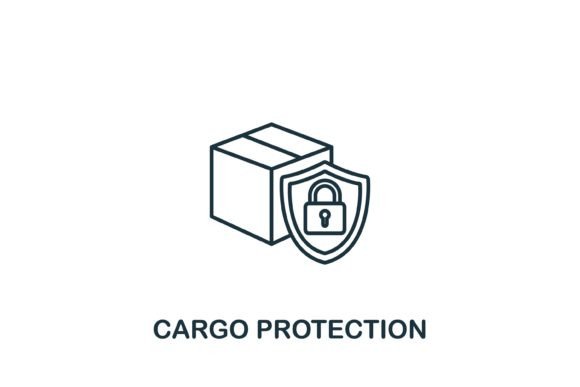
The Cargo Protection Icon is a versatile and essential graphic element designed to symbolize security and safeguarding of goods. This icon is not just a simple visual; it's a powerful tool that can be integrated into various aspects of your projects, from web design and infographics to marketing materials and educational resources.
What is the Cargo Protection Icon?
The Cargo Protection Icon is a simple yet effective symbol that represents the concept of protecting cargo. It is typically used in contexts where the safety and security of transported goods are paramount. This icon is often depicted as a shield or a lock, sometimes combined with elements like a truck or a container, to visually convey the idea of cargo protection.
Where and When to Use the Cargo Protection Icon
The Cargo Protection Icon can be seamlessly integrated into different stages of your project, whether you are in the planning phase, executing a task, or finalizing a product. Here’s how it fits into various workflows:
- Planning Phase: During the initial brainstorming and planning stages, the Cargo Protection Icon can be used in mood boards and concept maps to represent the theme of security and protection. This helps in aligning the team's vision and ensuring that the importance of cargo safety is highlighted from the start.
- Execution Phase: As you move into the execution phase, the icon can be incorporated into web designs, infographics, and other visual materials. For instance, in a logistics company’s website, the icon can be used to highlight the company’s commitment to secure transportation services.
- Finalization Phase: In the final stages, the icon can be used in brochures, reports, and presentations to emphasize the security measures taken during the project. This reinforces the message of reliability and trustworthiness to stakeholders and clients.
Integration with Other Tools and Resources
The Cargo Protection Icon is highly compatible with various design tools and platforms, making it easy to integrate into your existing workflow. Here’s how it can work with other elements:
- Design Software: The icon is available in multiple file formats, including EPS, JPG, AI, and SVG. This versatility allows for seamless integration into popular design software such as Adobe Illustrator, Photoshop, and Canva. You can easily edit and customize the icon to fit your specific design needs.
- Web Design: In web design, the icon can be used as a part of the user interface (UI) to guide users through the site. For example, it can be placed near sections that discuss security features or in the footer to link to a page about the company’s security policies.
- Infographics and Reports: In infographics and reports, the icon can be used to visually break down complex information. For instance, in a report on supply chain security, the icon can be used to highlight key points and make the content more engaging and easier to understand.
Practical Implementation Tips
To effectively use the Cargo Protection Icon in your projects, consider the following tips:
- Consistency is Key: Ensure that the icon is used consistently across all materials. This helps in building a cohesive and professional look, which is crucial for maintaining brand identity and trust.
- Quality Control: Always use high-quality versions of the icon to maintain clarity and professionalism. Low-resolution images can detract from the overall quality of your project.
- User-Friendly Placement: Place the icon in areas where it will be most visible and meaningful. For example, in a brochure, place it near text that discusses security measures to create a clear and intuitive connection.
- Customization: Customize the icon to match your brand’s color scheme and style. This not only enhances the visual appeal but also strengthens the brand’s identity.
Long-Term Use and Maintenance
For long-term use, it’s important to have a system in place for managing and updating the Cargo Protection Icon. Here are some best practices:
- Version Control: Keep track of different versions of the icon, especially if you make customizations. This helps in maintaining consistency and avoiding confusion.
- Documentation: Document the usage guidelines for the icon, including color codes, size specifications, and placement rules. This documentation can be shared with your team to ensure everyone is on the same page.
- Regular Updates: Periodically review and update the icon as needed. This could include refreshing the design to keep it current or adapting it to new branding guidelines.
By integrating the Cargo Protection Icon thoughtfully and strategically, you can enhance the effectiveness of your communications and build a stronger, more secure image for your brand. Whether you are a designer, marketer, or business owner, this icon is a valuable asset that can help you achieve your goals and deliver a clear, impactful message.