Understanding the Prohibited Weapon Icon and Its Versatile Uses
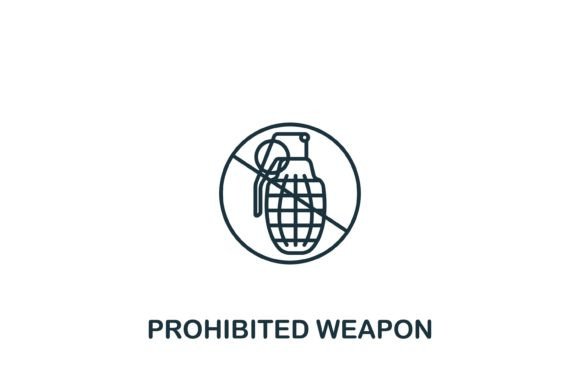
The Prohibited Weapon Icon is a universally recognized symbol that clearly communicates the restriction or prohibition of weapons. This simple yet powerful icon is widely used in various settings, from public spaces to digital platforms, to ensure safety and compliance with regulations.
Real-World Applications of the Prohibited Weapon Icon
In public venues, such as stadiums, airports, and government buildings, the Prohibited Weapon Icon is a critical element of signage. It helps to maintain a secure environment by clearly indicating that firearms and other weapons are not allowed. This not only protects visitors but also ensures that staff can manage the area more effectively.
Schools and universities also benefit significantly from the use of this icon. By prominently displaying the Prohibited Weapon Icon, educational institutions create a safer learning environment for students and faculty. This visual reminder is particularly important in areas where young people congregate, reinforcing the message that weapons have no place in these spaces.
Industries and Purposes
The travel and hospitality industry relies on the Prohibited Weapon Icon to communicate safety policies to guests. Hotels, resorts, and tourist attractions use this icon to set clear expectations and ensure that all visitors feel secure. This is especially crucial in international settings where language barriers might otherwise complicate communication.
In corporate environments, the Prohibited Weapon Icon is often included in employee handbooks and displayed in common areas. This helps to establish a professional and safe workplace, reducing the risk of incidents and promoting a culture of respect and responsibility.
Practical Examples and Observations
Consider a museum hosting a high-profile event. The Prohibited Weapon Icon is essential for maintaining a secure atmosphere. By placing the icon at entry points and throughout the venue, the museum can ensure that all attendees are aware of the no-weapon policy, thereby enhancing the overall experience and safety of the event.
Similarly, in online platforms, the Proordinated Weapon Icon can be used in user guidelines and terms of service. This helps to set clear boundaries and expectations for behavior, contributing to a more positive and secure online community.
Common Considerations Before Using the Prohibited Weapon Icon
Before incorporating the Prohibited Weapon Icon into your signage or digital content, it's important to consider the context and audience. For example, in a cultural setting, you might need to adapt the icon to align with local customs and languages. Additionally, ensuring that the icon is placed in highly visible locations and is large enough to be easily recognizable is crucial for its effectiveness.
It's also important to regularly review and update the placement and design of the icon to ensure it remains relevant and effective. This might involve consulting with security experts or conducting surveys to gather feedback from the intended audience.
Strengths and Limitations
One of the key strengths of the Prohibited Weapon Icon is its universal recognition. This makes it an invaluable tool for communicating safety policies across diverse audiences and settings. However, it's important to note that the icon alone may not be sufficient to prevent all incidents. It should be part of a broader safety strategy that includes education, training, and enforcement.
Another potential limitation is that the icon may not be as effective in situations where there is a language barrier. In such cases, it may be necessary to supplement the icon with additional signage in multiple languages or to provide verbal instructions to ensure the message is understood.
Overall, the Prohibited Weapon Icon is a versatile and essential tool for promoting safety and security in a wide range of environments. By understanding its applications and considerations, you can effectively use this icon to enhance the well-being of your community or organization.